
Organizational psychologist Dr. Celina Peerman encourages organizations to use the back-to-school season to rethink how they prepare new, emerging, and experienced leaders for what comes next. As students across Iowa head back to classrooms this month, organizational psychologist and leadership strategist Dr. Celina Peerman says there is another group that should be thinking about learning this fall: the people leading our workplaces. “Back-to-school season is a great reminder that learning doesn’t stop when we finish a degree, earn a certification, or get promoted,” said Peerman. “The strongest leaders I know are continuous learners. They remain curious, keep developing their skills, and recognize that what got them to their current role may not be enough for what comes next.” That need is particularly important for employees stepping into their first people-leadership roles. Organizations frequently promote employees because they are strong individual contributors, technically skilled, dependable, or knowledgeable about the operation. But leading people requires an additional set of skills. from communication and feedback to coaching, accountability, decision-making, relationship building, and navigating change. “A promotion gives someone a new title. It doesn’t automatically give them the skills or confidence to lead people,” Dr. Peerman said. “New people leaders need support as they make that transition. We shouldn’t expect them to figure it all out through trial and error and while that is one way to learn, it shouldn't be the only way.” Peerman, who has spent more than 30 years working in organizational psychology, leadership development, human resources, and operations, believes organizations also need to begin developing leaders before positions become available. “Future leaders won’t wait until we have an opening on the organizational chart,” she said. “They are already on our teams. The question is whether we are intentionally helping them develop the judgment, communication skills, confidence, and ability to lead others that they will need next.” A Back-to-School Checkup for Your Leadership Bench Peerman suggests organizations use this Fall to ask five questions: Who are we developing before they get promoted? What support do our first-time supervisors and managers receive? When did our experienced leaders last intentionally invest in their own development? What will our leaders need to know and be able to do two or three years from now, not just today? If a key leader left tomorrow, who would actually be ready to step forward? Leadership development, Peerman emphasizes, should not be limited to a single class or reserved only for senior executives. It can include mentoring, facilitated learning, stretch assignments, coaching, peer discussions, reflection, feedback, and opportunities to practice new skills. It also needs to continue throughout a leader’s career. “The workplace keeps changing, so leadership has to keep learning,” Peerman said. “We’re asking leaders to navigate new technology, changing employee expectations, increasingly complex workplaces, knowledge transfer, and ongoing change. Continuous learning isn’t an extra anymore. It is part of the work of leading.” For organizations considering where to invest as they finish 2026 and begin planning for 2027, Peerman encourages them to look beyond filling current positions and consider the strength of their entire leadership pipeline. “Your next leaders are probably already working for you,” she said. “Give them opportunities to learn before you desperately need them to lead.” Future leaders won’t wait. Neither should their development. About Dr. Celina Peerman Dr. Celina Peerman is an organizational psychologist, leadership strategist, professional speaker, and author with more than 30 years of experience in human resources, operations, and leadership education. Through The Peerman Group, she and her team work with organizations to strengthen leaders, teams, and workplaces as they navigate change and prepare for the future of work. Peerman is a four-time author, two-time TEDx speaker, and Certified Speaking Professional (CSP®) .
Dr. Celina Peerman, organizational psychologist, leadership strategist, and founder of The Peerman Group has been selected as a featured speaker and author for the Global Speakers Summit 2026 (www.gss2026.com), an international gathering of professional speakers and thought leaders from around the world, with member associations of the Global Speakers Federation. Dr. Peerman was chosen from a highly competitive pool of more than 400 global speakers representing 23 countries, underscoring her growing impact and recognition on a global stage. At the summit, she will deliver a session called “DNA of a Keynote” in collaboration with colleagues as they break down critical aspects of delivering effective messages. She will also be recognized as a featured author, showcasing her body of work from “Beautifully Over It.” “This opportunity is both an honor and a responsibility,” said Dr. Peerman. “Leaders everywhere are navigating constant change. The ability to stay grounded in purpose, adapt in real time, and help others move forward with clarity is what defines effective leadership today. This conference for speakers helps me make sure I’m as effective as I can be.” With more than 30 years of experience, Dr. Peerman is known for her engaging, research-informed, and highly practical approach to leadership development. Her work supports organizations in building leadership capacity, strengthening workplace culture, and preparing for the future of work. Her selection as both a speaker and featured author reflects not only her expertise, but also the relevance of her message in a world where uncertainty has become the norm. The Global Speakers Summit 2026 will bring together top speakers, authors, and industry experts to share insights, elevate the speaking profession, and foster global collaboration. About Dr. Celina Peerman Dr. Celina Peerman is an organizational psychologist, Certified Speaking Professional (CSP), author, and founder of The Peerman Group and Chameleon Learning Systems. She helps organizations build stronger leaders, navigate change, and create workplaces where people and communities thrive.

Why the In-Between Feels So Disorienting Understanding the tension between where we were and what’s next I often think I need to rush to get through the in-between. The space after a big decision—but before anything’s settled. The moment when the old way no longer works—but the new way isn’t ready yet. The opportunity that I want to bring faster my way, instead of accepting the process. This space is the gap —and a space I’ve long been fascinated by. I’ve come to believe it’s where the real work of leadership begins. But it’s also where we feel the most uncomfortable. So let’s talk about why the in-between feels so disorienting—and what that discomfort might actually be pointing to. 1. You’ve lost your landmarks When change hits, the routines, relationships, or responsibilities that used to guide you may no longer apply. You’re not where you used to be—but you haven’t yet landed somewhere new. It’s like standing in a hallway where all the doors are closed—and the one behind you just locked. Without familiar cues, even simple choices feel overwhelming. We’re wired to orient based on what’s known. When that’s gone, we feel untethered. 2. Your brain craves certainty The brain is a prediction machine. It constantly asks: What happens next? Is this safe? Where do I fit? When those answers are unclear, it perceives risk—and activates stress responses like overthinking, withdrawal, micromanagement, or perfectionism. Uncertainty feels like a threat—even if it’s just possibility in disguise. 3. Your identity gets blurry Transitions aren’t just about logistics. They often challenge our sense of self. “Who am I without that role?” “What if I don’t want what I used to want?” “How do I lead if I’m still figuring it out?” This is where grief shows up, even in growth. And where self-doubt can feel loudest. 4. You’re under pressure to act—without direction The gap is rarely quiet. People still need decisions. Deadlines still loom. You’re expected to lead forward… even if you’re not sure where “forward” is yet. This tension, I believe, is responsibility without clarity and can be deeply draining. 5. It feels vulnerable In the in-between, you might need to say things like: “I don’t know yet.” “We’re figuring it out.” “This feels hard.” And that honesty can feel risky, especially in cultures that reward certainty over courage. But vulnerability is not weakness. It’s what anchors trust when direction is still forming. A Reframe to Hold Onto: The in-between is not empty. It’s full of emotion, possibility, learning, and the raw material of growth. It’s where resilience is practiced and where realignment happens. Where new questions lead to better answers. And maybe most importantly, it is where we remember that leadership isn’t built on having it all figured out. It’s built in the middle. Consider these as part of your “next”: Where are you currently in an “in-between” season—personally or professionally? Which part of the discomfort feels most familiar? What would shift if you gave yourself (and others) a little more permission to be in the gap? Want to learn more? See my TedX talk on the in-between at: https://www.ted.com/talks/dr_celina_peerman_working_the_gaps Check out 49 Chameleons and other books in our Clarity Series at: https://www.drcelinapeerman.com/bookstore

We are, all of us, leading through uncertainty. Sometimes it’s personal—a role shift, a relationship change, or a moment of self-questioning. Sometimes it’s organizational—when everything familiar feels fragile or out of sync. And sometimes, it’s simply the in-between—where you’re not where you were, but not yet where you're going either. This is the space where leaders are most tested—not because they have no answers, but because they’re expected to act anyway. If that’s where you are, I will offer whatever I can to help. When Doubt Shows Up, So Does Growth As I’ve shared in my TEDx talk and in 29 Owls, uncertainty is not a detour—it’s part of the process. And doubt isn’t a weakness. “Doubt is not the opposite of confidence—it’s the invitation to clarity.” (Let Data Be Your Compass – Owl #4) Too often, we try to push through uncertainty with a flurry of over-analysis or avoidance. But leadership isn’t about having full certainty before moving. It’s about asking the right questions, honoring what matters, and choosing the next step. What 29 Owls Says About Navigating Uncertainty Here are three principles from the book that feel especially relevant: “Effective decision-making requires understanding both the risks and rewards.” (Risk Is Part of the Ride – Owl #3) Uncertainty doesn’t mean ignore the risks—it means evaluate them. Name them. And move forward with your values intact. “Flexibility is a leadership strength, not a weakness.” (Shift Happens. So Can You. – Owl #9) The wisest leaders know when to pivot. When new information shows up, adaptability becomes credibility. “When you invite others into the decision-making process, you gain access to experience, knowledge, and angles you might miss alone.” (Ask. Listen. Grow. – Owl #7) Uncertainty shrinks in the presence of diverse insight. Ask more. Decide better. Staying Grounded When Certainty Isn’t Available In times of uncertainty, try these three anchoring practices: Return to your values. Ask: What do I want this decision or moment to reflect about who I am and what I lead for? Set potential goals, not perfect ones. Clarity often emerges mid-move. Focus on direction over destination. Normalize doubt. Say it out loud. Model it. Create space for others to say: I don’t know yet—but I’m learning. Normalize doubt during change. It’s not a flaw—it’s often the first sign that transformation is taking root. Questions for Reflection Where in your life or work are you feeling most uncertain right now? What values could guide your next step, even if the whole path isn’t clear? Who could offer wisdom or grounding as you move forward? Uncertainty doesn’t mean you’re unqualified. It means you’re in the work that matters. Want to learn more? Check out podcast episodes like “Stress Fracture,” “Not Enough,” and “Ready, Set, Why” to explore how doubt, resilience, and intentional choices shape our leadership. https://workplacechameleon.buzzsprout.com Purchase 29 Owls: Wisdom for Stronger Decisions, Tough Conversations, and True Accountability here: www.drcelinapeerman.com/bookstore The on-demand course Making Good Decisions offers practical support for leaders navigating ambiguity and complexity. We also have 40 courses immediately available for you or your team. https://www.leadershiplearningondemand.com

In leadership, complexity is everywhere. The decisions we face aren’t always hard because they’re dramatic. This isn’t the dramatic that’s destructive— it’s the dramatic where you feel all the potential consequences and want the best possible outcome. Cue movie music. They’re hard because they’re layered—with context, personalities, timing, and ripple effects that are difficult to fully predict. But here’s the thing: complexity doesn’t always require a more complicated response. Sometimes, our best leadership move is to simplify. To focus on what matters most. To name the real issue clearly. And to choose the next best decision—even if we don’t have the full picture yet. When we postpone key decisions, we don’t avoid consequences—we just delay them. The Leader’s Role in Complexity In 29 Owls, I explore how wise decision-making doesn’t mean waiting for certainty. It means learning to read the situation, identify the true problem, and involve the right people. “Seeking input doesn’t mean surrendering your authority—it means strengthening it.” (Ask. Listen. Grow. – Owl #7) As leaders, our job is to make decisions that move things forward—even if we have to adjust later. And often, clarity doesn’t come before the decision. It comes because of the decision. “Some of the best decisions come after the first version doesn’t quite work.” (Shift Happens. So Can You. – Owl #9) So how do we lead through complexity? Clarify the problem. Before rushing to solve, pause to ask: What are we actually trying to fix? Choose the right voices. Complexity increases when too few—or too many—people weigh in. Ask: Who has insight, stake, or experience that matters here? Simplify the solution. Don’t overbuild. A complex issue doesn’t always need a complex response. Ask: What’s the next best decision we can make right now? “Break down any complex choices into smaller, actionable parts.” (Clarity in Choices – Owl #1) Questions for Reflection: What’s one area where you’re overcomplicating the issue? Who can help you see the situation more clearly—or challenge your assumptions? Where might a simple, courageous decision unlock momentum? Complexity is real. But confusion doesn’t have to be. As leaders, we don’t need perfect foresight—we just need the courage to make progress. One decision at a time. Except in this case…I just bought a new dehumidifier for my office. It is capable of being attached to my phone so I can adjust settings without having to walk over to it. I’m confused why I need such a feature. Let’s keep it simple when we can, please. Want to learn more? Check out podcast episodes like “Stress Fracture,” “Heavy Weights,” and “To Step In or Not” explore complexity, timing, and responsibility in leadership. Listen at: https://workplacechameleon.buzzsprout.com Order 29 Owls or get a sneak peek at: www.drcelinapeerman.com/bookstore For practical tools, check out our on-demand class Making Good Decisions—built for real-world complexity. https://www.leadershiplearningondemand.com

Leadership is full of choices—some simple, others deeply strategic. Every day, we make thousands of decisions, often without realizing the ripple effect they create. Some are urgent. Some are emotional. Some are avoided entirely. But here’s the truth I keep returning to: “When we don’t have hard conversations, we solve the wrong thing.” It’s not just about performance. It’s about alignment, accountability, and trust. When leaders avoid the difficult discussions, they often misdiagnose the issue. And when key decisions are delayed, clarity gets replaced with confusion. The Owl-Wise Approach to Decision-Making In my book 29 Owls, I offer bite-sized reflections and actions to help leaders make better decisions—even (and especially) in times of uncertainty. One reminder stands out: “Prioritization is the quiet discipline of aligning decisions with purpose, impact, and timing.” (Choose What Counts – Owl #2) This isn’t about doing it all. It’s about doing what matters most—and being willing to say so. Too often, we treat symptoms: the missed deadline, the tension on a team, the disengaged employee. But until we name the real issue, we’re solving the wrong thing. “Silence can be comfortable—but costly. When something hard goes unspoken, tension builds and trust erodes.” (Name It to Face It – Owl #11) Questions for Reflection: What decision or conversation are you currently avoiding—and what’s the cost of that delay? Where are you solving around something, instead of through it? Who do you need to speak to—not because it’s easy, but because it’s necessary? Leadership Energy, Wisely Spent Our energy is limited. We can’t afford to spend it tiptoeing around truth, overthinking small things, or guessing others’ expectations. “Many breakdowns in accountability aren’t due to laziness or lack of effort—they stem from confusion.” (Say What You Expect – Owl #22) Clear decisions and honest conversations are a gift to your team—and to yourself. When done well, they reduce noise, build momentum, and shift culture. When you’re in the gap—the space between knowing and doing, between observing and acting—pause. Reflect. Then lead forward with courage. Purchase 29 Owls or the other two books in the Clarity Series here Explore our podcast episodes on decision-making, accountability, and courageous leadership: https://workplacechameleon.buzzsprout.com

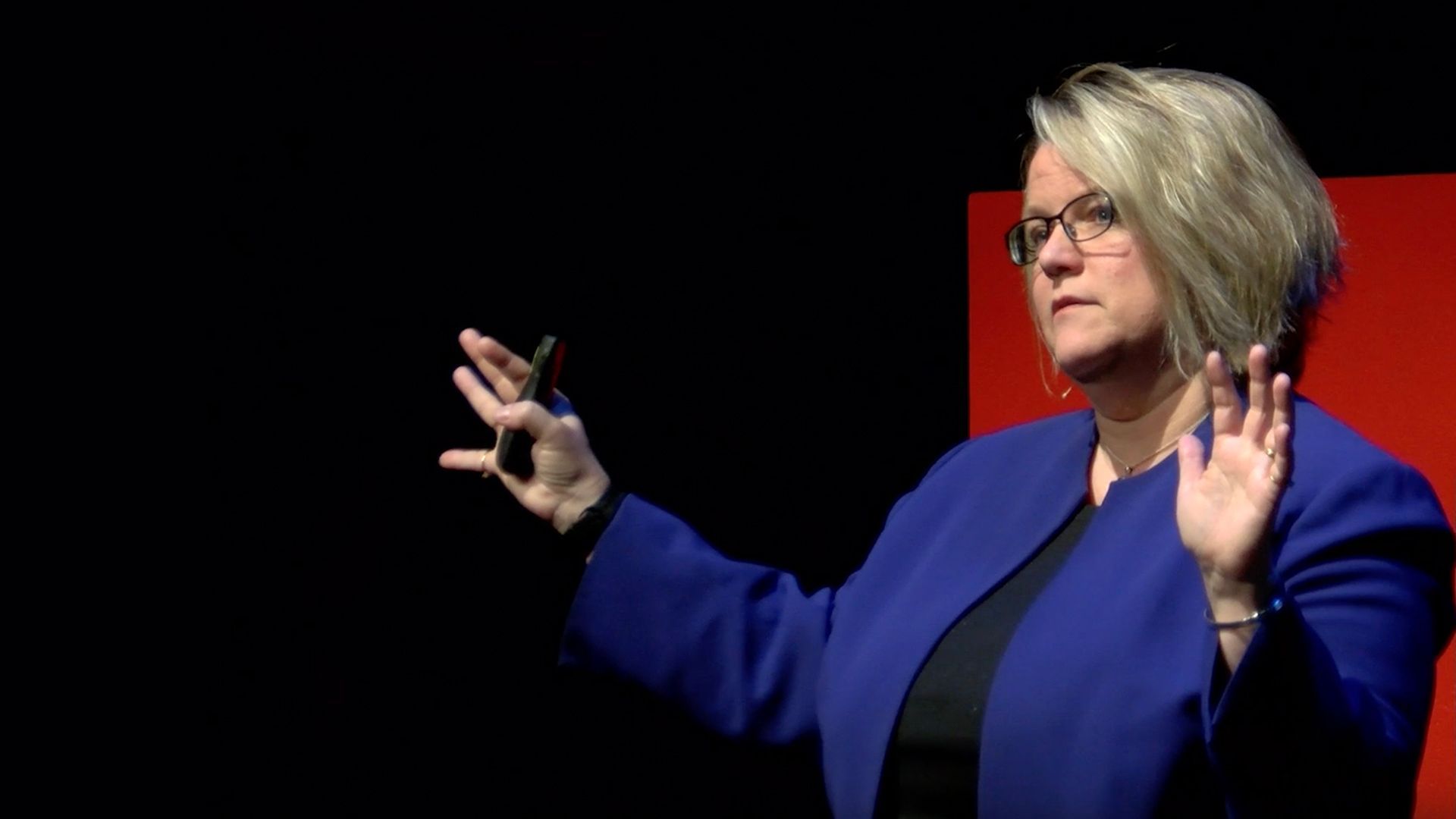
In my work with leaders and organizations, we often approach change as a project to manage—defined timelines, clear outcomes, and checklists to track progress. While there are many good reasons to do so, real-life change on the job or off, doesn’t operate on a tidy schedule. It arrives layered, uncertain, and deeply personal. Whether it’s a role shift, organizational restructuring, or a full career pivot, most change doesn’t start with clarity. It starts with a question—and often, with doubt. I explored this in my TEDx talk, Working in the Gaps, where I shared a truth we rarely say out loud: doubt is not a sign of failure. It’s a signal that growth is happening. The gap between where we’ve been and where we’re going isn’t empty. It’s rich with questions, emotions, and transformation. In my first book 49 Chameleons , I describe how adaptability isn’t about always knowing what to do next—it’s about staying present long enough to figure it out. Chameleons don’t change for show. They change in response to their environment while still holding onto their essential structure. That’s what real leadership through change looks like. Lately, I’ve worked with many professionals standing in this space between “what was” and “what’s next.” Some are navigating new opportunities. Others are reassessing what they want. Most are feeling a mix of uncertainty, excitement, and pressure to figure it out fast. But here’s the message I keep returning to: The space between here and there is not a detour. It’s part of the journey. It’s where we learn what still fits and what we’ve outgrown. It’s where resilience is built, not just talked about. It’s where we get to redefine success in ways that are both strategic and personal. Questions for Reflection: What shift—internal or external—are you currently navigating? What are you learning about yourself in this space? What support, systems, or voices are helping you stay grounded? How can you normalize doubt as part of your growth, not the opposite of it? I often say that leadership isn’t just about getting things done—it’s about learning who you are in the process. If you’re in the space between here and there, I see you. Remember, you’re also not supposed the be the same leader you were yesterday, a month ago or a year ago. And from here, it is about getting better. Because when we normalize doubt and honor transition, we don’t just manage change—we grow through it. Watch the TEDx talk "Working the Gaps" here .